Macadamias

Cold Press Macadamia Oil (Edible)

Cold-pressed edible macadamia oil for culinary, foodservice, premium ingredient and selected private label applications.

  • Built for buyers evaluating flavor profile, filtration, packaging and shelf-life management
  • Relevant for bulk ingredient, foodservice and retail-ready commercial programs
  • Structured for domestic supply, export execution and California-based commercial support
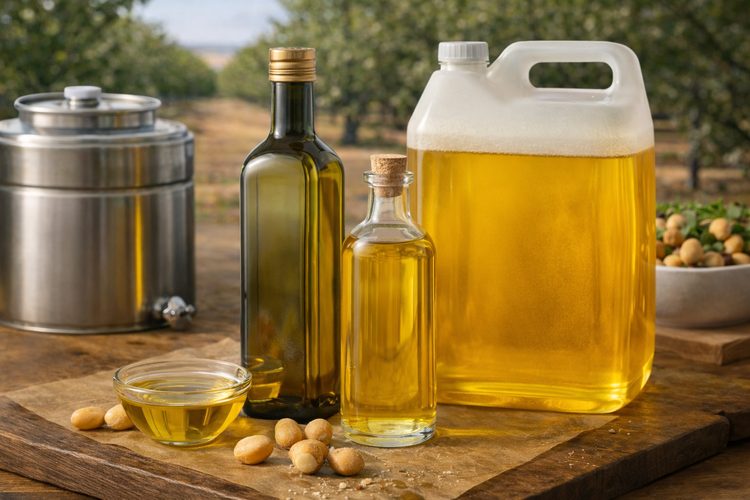
Illustrated placeholder for cold press edible macadamia oil
Product overview

Cold press edible macadamia oil from a California commercial workflow

Cold press macadamia oil is positioned as a premium edible oil for culinary, ingredient and brand-led food programs that value flavor character, cleaner processing perception and a differentiated nut-oil story. Buyers in this category are usually balancing technical product integrity with commercial presentation: they want an oil that performs in the bottle, on the shelf and in the finished food system.

Compared with commodity cooking oils, cold-pressed specialty oils are often evaluated through a broader lens. The discussion may include sensory profile, clarity, filtration level, sediment tolerance, oxidation management, bottle or bulk-pack choice, label positioning, destination regulations and the practical economics of handling a higher-value oil. In many cases, the purchase decision is just as much about packaging strategy and product positioning as it is about the oil itself.

Atlas structures these projects around application fit, pack format, documentation needs and shipment plan. That makes the page useful for importers, distributors, culinary brands, private label buyers, foodservice companies and specialty food manufacturers trying to move from a generic inquiry to a commercially workable brief.

Edible macadamia oil is commonly associated with premium culinary positioning and should be managed with appropriate attention to light exposure, air exposure, packaging selection and storage discipline.
Why buyers choose this category

Technical, sensory and commercial reasons the product matters

Cold press macadamia oil is typically selected when a buyer wants more than functional fat content. The product is often part of a premium positioning strategy built around culinary quality, product story and perceived processing simplicity.

Technical

Natural-profile oil route

Buyers often prefer cold-pressed oils when the commercial objective is to maintain a natural positioning and a less aggressively processed profile. Filtration, appearance and handling become important variables in that discussion.

Sensory

Premium culinary character

In specialty food programs, the oil may be chosen for its smooth mouthfeel, nut-oil identity and ability to support gourmet or chef-driven positioning in dressings, finishing use and premium table presentation.

Commercial

Higher-value shelf story

The category is frequently relevant to buyers launching premium bottled oils, giftable culinary products, foodservice upgrades or retail lines that need stronger differentiation than commodity oils can offer.

Buying framework

The first four issues most buyers define

Oil profile Flavor, aroma, color and appearance expectations
Filtration Filtered, lightly filtered or sediment-tolerant preference
Pack format Bulk, foodservice, retail bottle or private label presentation
Program shape MOQ, order rhythm, export needs and documentation scope
Specification planning

Core specification areas for edible cold-pressed oil

The strongest oil inquiries do not stop at “price per liter.” They define how the product will be used, what physical presentation is expected, how the buyer will pack or resell it and which quality and commercial controls are required before approval.

Process description State that the requirement is for edible cold press macadamia oil and clarify whether the buyer expects filtered or less-filtered presentation, culinary retail finish, foodservice pack or bulk ingredient supply.
Sensory profile Define the preferred flavor direction, aroma intensity, visual clarity and color expectation. Premium oil buyers often have a narrow idea of what the product should look like in glass, PET, jerrycan or bulk container format.
Filtration and appearance Clarify whether the oil must be fully presentation-ready, lightly filtered for more natural character or acceptable with a controlled degree of natural variation. Appearance standards can differ sharply between retail and ingredient channels.
Packaging system Specify bulk drum, intermediate pack, foodservice bottle, consumer retail bottle, closure style, tamper-evidence, carton count, label needs, shipper requirements and pallet configuration.
Shelf-life strategy Indicate the target shelf-life at sale, expected inventory cycle, storage climate, destination transit duration and whether the buyer will hold the product in ambient warehouse, climate-controlled storage or multiple distribution nodes.
Documents and QA Common requests include specification sheet, certificate of analysis, allergen statement, origin declaration, packaging statement, lot coding, traceability information, label review points and export-facing documents where applicable.
Commercial program Buyers should share target volume, launch schedule, reorder frequency, Incoterm preference, destination market, import needs and whether the program is trial, recurring, private label or distributor-led.

Analytical parameters, finished appearance and packaging details should be confirmed in the final agreed specification for the specific program rather than assumed from a general category description.

Technical profile

What technical teams usually review for edible macadamia oil

Product integrity

Common technical review points

  • Sensory profile including aroma, flavor and finish consistency
  • Visual presentation including clarity, haze and sediment tolerance
  • Packaging compatibility with the target shelf and logistics environment
  • Lot-to-lot consistency for customer approval and brand protection
  • Oxidation-management approach across filling, storage and distribution
  • Suitability for direct culinary use versus further value-added processing
Commercial QA

Document and approval expectations

  • Product specification sheet aligned to the agreed commercial brief
  • Certificate of analysis format suitable for buyer QA review
  • Lot identification and traceability structure
  • Allergen and packaging declarations where needed
  • Label review coordination for retail or private label programs
  • Destination-specific export documentation planning where required
For specialty edible oil programs, technical success is usually not just about the oil chemistry. It also depends on how the oil is filled, packed, stored, shipped and presented to the end buyer.
Applications

Where cold press macadamia oil is commonly positioned

The product can sit in several channels at once: ingredient supply, culinary retail, gift-oriented premium food, foodservice and specialty private label. The right pack format and document set depend heavily on the actual use case.

Retail culinary

Premium bottled oil ranges

Brands may use cold press macadamia oil in premium shelf products where bottle appearance, label quality, closure choice and carton presentation are central to the commercial value proposition.

Foodservice

Chef and hospitality use

Foodservice buyers may look for larger pack sizes that preserve the premium positioning while making the product practical for kitchen use, plating, finishing and back-of-house inventory control.

Dressings

Vinaigrettes and emulsified products

Specialty oil programs often support premium dressings and marinades where the buyer wants a differentiated oil base with a stronger gourmet story than standard vegetable oil systems can offer.

Sauces and condiments

Value-added culinary formulations

Some buyers use the oil as part of a broader flavor or premium-fat system in sauces, finishing blends and specialty condiments aimed at gourmet retail or hospitality channels.

Gift and gourmet

Premium positioning and storytelling

Gift-oriented and gourmet buyers frequently care about bottle aesthetics, narrative quality, label finish, box presentation and the perceived authenticity of the ingredient story.

Ingredient supply

Bulk oil for further processing

Industrial customers may prefer larger packs for in-house filling, formulation or blending. In that case, packaging efficiency, handling convenience and lot traceability typically matter more than retail presentation.

Technical buying focus

Questions technical teams usually ask

  • Is the oil intended for direct culinary use, further formulation or private label bottling?
  • What appearance is acceptable: bright and highly presentable, or naturally less polished?
  • Should the product be filtered to a tighter visual standard for shelf presentation?
  • What storage and distribution conditions will the oil face after dispatch?
  • How sensitive is the project to flavor variation, light exposure and air headspace?
  • What documentation and lot-level quality support are required for approval?
  • Will the destination market require label or export documentation review before shipment?
Commercial planning focus

Questions commercial teams usually ask

  • Is the project a launch trial, ongoing line extension or full private label program?
  • What is the expected volume by order, quarter and year?
  • Which pack type is needed: bulk, foodservice or consumer-facing?
  • Does the customer need unlabeled supply, customer-label application or full private label coordination?
  • What market will the product enter, and what import conditions apply?
  • What is the target landed cost versus the target shelf position?
  • How much flexibility exists on bottle, closure, carton and lead-time decisions?
Packaging and presentation

Packaging should protect the oil and support the sales channel

Edible specialty oil programs usually perform best when packaging is designed around the channel rather than chosen as an afterthought. A bulk ingredient buyer may need efficiency, stackability and simple lot control. A foodservice operator may prioritize ease of handling and reduced breakage risk. A retail brand may focus on bottle silhouette, closure feel, shelf presence, label finish and premium perceived value.

Because cold-pressed oils are higher-value products, packaging decisions also affect oxidation exposure, freight economics, carton density, breakage management and final merchandising quality. The choice between dark or clear presentation, glass or alternative pack, small bottle or larger service format should be made in light of the true commercial objective, not only the filling cost.

  • Bulk programs may use drums, larger containers or intermediate formats, subject to buyer brief
  • Foodservice programs often emphasize practical handling and repeat purchasing efficiency
  • Retail programs generally require stronger attention to bottle, closure, label and outer carton presentation
  • Private label work may require design coordination, barcode planning, carton mark review and approval timelines
Storage and handling

Why oxidation management and storage discipline matter

Specialty edible oils need a disciplined handling plan. Product quality can be affected by repeated heat exposure, unnecessary light exposure, excess headspace, poor stock rotation and weak warehouse control. These issues become more commercially important when the oil is sold in premium consumer packs or moved through long export lanes.

Warehouse

Storage planning

Buyers should think through warehouse temperature, stock rotation, carton stacking, first-in-first-out discipline and whether the oil will sit in distributor inventory before reaching the end customer.

Transit

Shipment exposure

Transit mode, route length and climate exposure can influence the packaging and logistics strategy. Export programs in particular should account for the realities of port handling and destination warehousing.

End use

Post-opening behavior

The way the product will be used after opening matters. Retail consumers, foodservice kitchens and ingredient operators all create different conditions for headspace exposure and pack-turn behavior.

Private label and export

Commercial notes for branded and cross-border programs

Cold press macadamia oil can be an attractive candidate for premium private label and export projects, but these programs usually require more coordination than bulk ingredient sales. The project brief may need to cover bottle sourcing, label file readiness, carton marks, barcodes, pallet labels, destination-language requirements, approval timelines and the document set expected by the importer.

Private label

Brand-led execution

Private label buyers typically define bottle style, fill size, cap choice, front-label expectations, back-label claims, carton presentation and launch timing. The more complete the brief, the faster the commercial assessment.

Export support

Cross-border planning

Export projects often need alignment on documentation, destination approvals, labeling format, shipping marks, pallet treatment expectations and the commercial handoff between supplier, forwarder, broker and importer.

Distributor programs

Recurring replenishment logic

Distributors usually focus on reorder rhythm, pallet economics, storage conditions, shelf-life at receipt, carton resilience and whether the product sits in ambient inventory before final sale.

Launch planning

Timing and approvals

Lead time is often affected by packaging component readiness, label approval, production sequencing and shipping mode. Premium oil projects benefit from a clear launch calendar rather than last-minute purchase intent.

Commercial detail

What usually shapes price, MOQ and lead time

Cold press edible macadamia oil is not typically priced like a generic edible oil. The commercial picture usually reflects both the oil and the presentation system around it.

Price drivers

More than the oil itself

Pricing can be influenced by filtration level, packaging format, bottle cost, cap and seal choice, label scope, carton configuration, pallet build, project size, destination and any additional documentation or handling requirements.

MOQ logic

Program shape changes feasibility

Bulk ingredient supply, trial retail runs and full private label launches can each have very different MOQ realities. A clear volume profile helps determine whether the commercial model fits the project.

Lead time

Packaging and approvals often matter most

Lead time may depend as much on packaging readiness and approval steps as on oil availability. Bottle procurement, artwork signoff, carton printing and export coordination can materially affect the ship window.

Buyer checklist

What to include in a strong inquiry

A serious inquiry usually gives enough detail for a real commercial review instead of a generic answer. These are the inputs most procurement and business development teams include when discussing edible cold-pressed oil.

Technical brief
  1. Intended use: retail, foodservice, ingredient or private label
  2. Preferred visual style: filtered, naturally expressive or presentation-ready
  3. Desired packaging format and fill size
  4. Expected shelf-life and storage model
  5. Required QA documents and approval process
  6. Any destination-specific label or import constraints
Commercial brief
  1. Trial volume and repeat volume expectation
  2. Order rhythm and launch timing
  3. Destination country and requested Incoterm
  4. Private label, neutral pack or unlabeled bulk requirement
  5. Target market position and pack presentation goals
  6. Any freight, warehousing or distributor constraints
What buyers usually define
  • Application fit and product route
  • Filtered presentation and sensory expectation
  • Packaging choice and shelf-life planning
  • Domestic versus export shipment plan
  • Volume profile, order rhythm and lead-time needs
  • Private label, brand or neutral-pack direction
  • Required documentation and QA approval path
Let’s build your program

Discuss a cold press macadamia oil (edible) requirement

Use the contact form to share the intended application, filtered appearance preference, pack format, volume profile, destination and timing. Atlas can review the brief, identify the main technical and commercial checkpoints, and organize the next step for a domestic, export or private label oil program.

Go to Contact Page
FAQ

Frequently Asked Questions

What is the main use of cold press macadamia oil (edible)?

Cold press macadamia oil is commonly used in dressings, marinades, finishing oils, premium culinary ranges, sauces and selected specialty foods where the buyer wants a more differentiated edible oil profile and a stronger premium story.

Can Atlas supply cold press macadamia oil (edible) for export or private label projects?

Atlas can discuss cold press edible macadamia oil for domestic and export-oriented business and can review private label, retail-ready packaging, neutral pack or bulk ingredient direction where the commercial brief is aligned and feasible.

What should buyers specify when asking for cold press macadamia oil (edible)?

Buyers should share intended application, preferred appearance, filtered or less-filtered direction, packaging format, fill size, annual and per-order volume, destination market, label expectations, requested documents and target timing.

What technical points are commonly reviewed for edible macadamia oil?

Typical review points include flavor profile, aroma, appearance, filtration level, sediment tolerance, packaging compatibility, oxidation-management approach, shelf-life planning, lot traceability and the requested quality documentation set.

Can the oil be discussed for both bulk and retail-ready programs?

Yes. Depending on project scope, the oil may be discussed for bulk ingredient supply, foodservice formats and selected retail-ready or private label programs with the appropriate packaging and documentation planning.

What affects price and lead time the most?

Price and lead time are commonly shaped by oil presentation, filtration level, bottle and closure choice, label scope, carton count, order size, program complexity, destination, shipping mode and document or approval requirements.

Why is packaging such a big part of the discussion?

Because premium edible oils are affected not only by the oil itself but by how they are filled, protected, shipped and merchandised. Packaging influences shelf appearance, storage behavior, transport resilience and commercial positioning.