Cashews

Extra Fine Cashew Meal / Flour

A premium fine-particle cashew ingredient format designed for applications that demand smooth texture, even dispersion, rich nut character and clean commercial execution. Atlas Global Trading Co. supports extra fine cashew meal / flour programs through a California-led workflow for domestic, foodservice, industrial and export-oriented buyers.

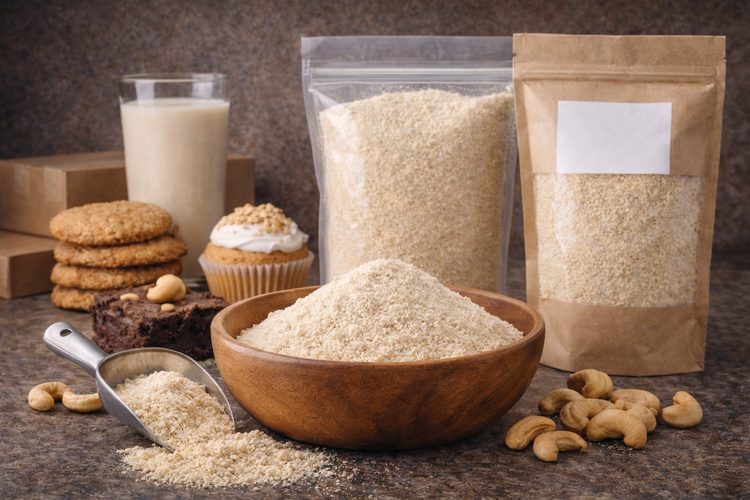
Illustrated placeholder for Extra Fine Cashew Meal / Flour
Product overview

Extra fine cashew meal / flour through a California commercial workflow

Extra fine cashew meal / flour is positioned for formulations where standard nut meal can be too coarse, too visually textured or too inconsistent for the finished product target. In practical buying terms, the category is often evaluated for mouthfeel, particle control, blending behavior, oil expression, color uniformity and the way it performs under mixing, sheeting, depositing, filling, hydration, baking or secondary processing conditions.

Compared with more conventional granular or medium meal formats, extra fine cashew flour is usually selected when the buyer wants a smoother system with less visible particulate identity and a more premium, integrated eating experience. That makes it relevant for high-value bakery, gluten-free style recipes, dessert systems, fillings, confectionery centers, batters, breading blends, bars, dry pre-mixes, dairy-alternative concepts and specialty prepared foods that use nut ingredients for body and richness.

Atlas Global Trading Co. supports buyers that need more than a product name and a price. The real purchase discussion usually includes specification fit, pack style, order rhythm, quality documentation, destination market requirements, freight planning and the difference between a spot buy and a structured recurring purchase program. That is where a California-managed trading and coordination model can add value.

This page is intended for commercial and technical planning. Final suitability depends on each buyer’s formulation, process conditions, packaging system, storage environment and destination market requirements.
Technical

Technical buying focus

Technical buyers typically care less about broad marketing language and more about how the ingredient behaves inside a real production line. Extra fine cashew meal / flour may be reviewed for target fineness, visual consistency, flowability, flavor strength, natural oil impact, hydration performance, blend compatibility and finished product texture. In certain applications, even small shifts in particle profile can affect batter viscosity, dough handling, depositor performance, spread, crumb structure, bite, emulsion stability or visible surface appearance.

  • Particle size and fineness expectation
  • Texture and mouthfeel contribution
  • Color and visual cleanliness
  • Flavor neutrality versus stronger nut identity
  • Oil release behavior during mixing and baking
  • Blend uniformity in dry and semi-moist systems
Commercial

Commercial planning focus

Commercially, the project usually begins with pack size, destination, expected usage rate and buying rhythm. A bakery chain, ingredient distributor, co-manufacturer and private label brand will not approach the same product in the same way. Some buyers need flexible spot quantities, while others need rolling replenishment, freight coordination, destination document support, multi-SKU planning or a margin-sensitive industrial structure tied to annual volume. Atlas works with that wider program logic, not just the line item.

  • Spot buys versus contract-style supply planning
  • Industrial, foodservice or retail pack configuration
  • Domestic handling versus export coordination
  • Forecast rhythm and order cadence
  • Lead-time visibility and shipment windows
  • Documentation and buyer onboarding needs
Application insight

Where extra fine cashew meal / flour adds value

Buyers often select this format because cashew brings a naturally rich, rounded profile that works across sweet and savory systems. The extra fine texture expands where that benefit can be used without introducing unwanted granulation.

Bakery

Premium bakery and gluten-free style mixes

In cookies, cakes, brownies, tart bases, muffin systems, bakery pre-mixes and premium dessert bases, extra fine cashew flour may be used to support tenderness, richness and a refined nut finish. Buyers may evaluate it for crumb softness, spread behavior, mix consistency and how well it integrates with starches, alternative flours, sugars, fibers and leavening systems.

Plant-based

Plant-based dairy, sauces and creamy systems

Cashew is widely associated with creamy texture. In plant-based cheese alternatives, cultured bases, sauces, dips, fillings and spoonable products, a finer particle profile may support smoother body and reduced grittiness, especially where the buyer is targeting a premium mouthfeel or a cleaner finished look.

Confectionery

Fillings, centers and confectionery applications

For praline-style systems, nut fillings, bars, truffle centers and coated snack concepts, extra fine cashew flour can contribute body and mild nut richness while remaining visually controlled. It may be explored for systems where a standard meal would be too coarse for depositor performance or finished bite.

Dry blends

Soup bases, coatings, seasoning blends and prepared foods

In industrial dry blends, the extra fine format may be reviewed for blend uniformity, dust behavior, appearance and the way it contributes flavor and body without obvious particulation. This can be relevant for premium prepared foods, meal kits, batters, coatings and culinary dry base systems.

Nutrition

Bars, functional snacks and meal replacement concepts

Nutrition and better-for-you brands may consider extra fine cashew flour for premium label positioning, nut content claims, flavor improvement and texture balancing. It can be useful where protein blends, fibers or alternative sweeteners need a more rounded sensory base.

Foodservice

Foodservice manufacturing and culinary prep support

Foodservice buyers may look for predictable pack sizes, manageable storage, easy handling and good repeatability across kitchen, commissary or co-manufacturing environments. Atlas can help organize the discussion around throughput, pack practicality and replenishment rhythm.

Specification planning

Technical considerations buyers often review

Not every project needs a laboratory-style specification pack at first contact, but experienced buyers usually know that the success or failure of a nut flour project is driven by details.

Particle profile

Fineness and texture expectations

“Extra fine” is commercially useful language, but buyers should still describe the functional texture they need. Some applications want near-powder behavior, while others need a slightly more natural meal expression to avoid excessive compaction or pasting. Inquiries are stronger when they describe the final texture objective, the processing step and whether visible particles are acceptable.

Color and flavor

Appearance and sensory profile

Depending on the end use, buyers may look for a lighter visual profile, a more neutral presentation or a fuller natural cashew note. The ideal selection may vary between bakery, savory, confectionery and plant-based systems, especially when the finished product color is tightly controlled.

Fat behavior

Oil content and process implications

Cashew ingredients naturally contain oil, and that matters. Oil expression can influence flow, caking, blend uniformity, dough softness, deposit behavior, mixer loading and finished shelf-life strategy. Projects should be reviewed in the context of real process temperature, hold time and storage conditions.

Compatibility

Interaction with the full formula

A nut flour is rarely used alone. Performance may depend on how it interacts with starches, gums, proteins, fibers, sweeteners, cocoa, dairy or plant-based fat systems. The more complex the formula, the more useful it is for the buyer to share the intended application path during the quote stage.

Shelf-life planning

Packaging and storage discipline

Fine nut ingredients should be planned with storage conditions, pack turnover, temperature exposure, container transit time and warehouse handling in mind. Shelf-life targets are rarely just about the ingredient; they are also about the total packaging and distribution system chosen by the buyer.

Quality documentation

Commercial readiness for onboarding

Many industrial buyers will need standard supplier onboarding materials, product information, lot-linked documentation or destination-specific paperwork. Atlas can discuss project readiness around documentation, market expectations and general supply chain alignment once the inquiry scope is clear.

Packaging & logistics

From bulk handling to export-ready programs

Packaging is not a secondary detail for extra fine cashew meal / flour. Fine nut ingredients can behave differently in production and distribution than whole kernels or coarser cuts. Pack style should reflect the buyer’s line setup, usage speed, warehouse conditions, labor model and destination route. A product that works well in a factory with rapid throughput may need a different packaging logic for export, regional redistribution or slower-turn specialty retail channels.

Buyers often discuss bulk sacks, inner-lined foodservice packs, smaller conversion formats and retail-ready private label structures. The right answer depends on the commercial model. An industrial bakery may focus on pallet efficiency and line-side handling, while a specialty brand may focus on resealability, graphics, label compliance and premium shelf presentation.

Atlas can help frame the project around shipment mode, destination, forecast rhythm and timing expectations. For recurring programs, the conversation may also include warehouse release plans, staged production, freight coordination and the balance between flexibility and cost efficiency.

Commercial fit

How buyers usually approach an extra fine cashew flour program

1

Application-first inquiry

Strong inquiries begin with the finished product, not just the ingredient name. Buyers that describe the use case, target texture, packaging style and commercial goal usually move faster toward a meaningful quote.

2

Specification alignment

Once the use case is clear, the specification conversation can become practical: how fine the product needs to be, how clean the appearance should look, what packing route makes sense and what quality or document expectations apply.

3

Volume and rhythm definition

Industrial buyers, distributors and private label brands rarely buy the same way. Atlas can help shape the commercial conversation around annual demand, monthly drawdown, project launch timing, trial quantities or rolling replenishment models.

4

Logistics and destination planning

Domestic shipments, export programs and multi-market briefs require different commercial planning. The destination affects pack choice, route timing, paperwork expectations and the balance between flexibility, working capital and landed cost.

5

Scaling from trial to routine purchase

Many ingredient projects start small, but the best supply relationships are built with visibility. Even approximate forecast data helps shape packaging, scheduling and commercial structure more effectively than a one-time price request without usage context.

6

Private label or custom commercial path

Certain buyers may want retail-ready programs, distributor-facing packs or a custom branded route. Atlas can review those directions when the buyer shares label goals, market, pack format and expected sales profile.

Why Atlas

A supplier conversation built for serious buyers

Atlas Global Trading Co. is positioned to support buyers who need organized sourcing communication, practical commercial detail and California-based program coordination. That does not only matter for large contracts. It also matters for buyers that need clean onboarding, responsive handling, realistic quote framing and a supply conversation that reflects how ingredient purchasing actually works in the market.

Rather than treating extra fine cashew flour as a generic commodity line, Atlas approaches it as a technical and commercial fit decision. That means the inquiry can be built around application, pack style, order structure, destination, compliance expectations and longer-term supply intent where relevant.

For export-oriented or multi-market discussions, buyers can also benefit from early alignment on product presentation, timing assumptions and documentation expectations so that sourcing work starts on a commercially usable foundation.

What buyers usually define
  • End application and texture objective
  • Preferred product presentation and fineness
  • Packaging route and intended shelf-life strategy
  • Domestic, export or multi-market destination plan
  • Target launch date or required ship window
  • Trial size, MOQ discussion or recurring volume profile
  • Documentation, onboarding or market compliance needs
  • Private label or branded packaging direction if relevant
Inquiry checklist

How to request a better quote, faster

Buyers who provide more detail usually receive a more useful commercial response. The following points help shorten revision rounds and reduce ambiguity.

Commercial brief

  • Company name and business type
  • Destination country or region
  • Estimated monthly, quarterly or annual volume
  • Spot purchase, launch project or recurring program
  • Target timeline and first ship date
  • Any retail, foodservice or industrial pack preference

Technical brief

  • End use: bakery, dairy alternative, confectionery, dry blend, etc.
  • Desired texture or fineness expectation
  • Appearance or color preference
  • Any special process notes or handling concerns
  • Storage and shelf-life expectations
  • Documentation or market requirement notes
Let’s build your program

Discuss an extra fine cashew meal / flour requirement

Use the contact form to share the intended application, target texture, pack style, estimated volume and destination market. Atlas can review the brief and organize the next commercial step from California.

Go to Contact Page
FAQ

Frequently Asked Questions

What is extra fine cashew meal / flour used for?

Extra fine cashew meal / flour is typically used where a smoother nut texture and more even dispersion are important, including premium bakery, gluten-free style mixes, plant-based products, fillings, confectionery, sauces, batters and dry blend systems.

How is extra fine cashew flour different from standard cashew meal?

Extra fine cashew flour generally targets a smaller and more controlled particle profile than standard meal. Buyers often prefer it for smoother mouthfeel, reduced visible granulation and better incorporation into delicate or high-value formulations.

Can Atlas support export and private label projects?

Atlas can review export-oriented and private label opportunities depending on the product brief, packaging requirements, destination market, documentation expectations and commercial volume profile.

What technical details should buyers share in an inquiry?

Buyers should specify intended application, target particle size or texture expectation, color preference, roast or process state if relevant, packaging format, annual or monthly volume, destination, timing and any special quality or regulatory requirements.

Is extra fine cashew meal suitable for gluten-free systems?

It is frequently evaluated for gluten-free style bakery and mix systems because it can contribute richness, body and nut character. Final suitability depends on the complete formulation, process and facility controls required by the buyer.

What packaging formats are commonly discussed?

Commercial discussions often include bulk bag formats, foodservice packs, retail-ready packs and private label presentations. The right format depends on throughput, filling equipment, shelf-life objectives and destination market handling conditions.

Can Atlas work on recurring industrial purchase programs?

Yes. Atlas can assess recurring industrial or food manufacturing programs when the buyer shares forecast rhythm, shipment cadence, packaging needs and destination details so an appropriate supply structure can be reviewed.

What commercial factors usually affect the quote?

Pricing and quotation structure typically depend on specification complexity, particle profile, packing format, order size, frequency, destination, documentation requirements and whether the project is a spot purchase, contract program or private label brief.