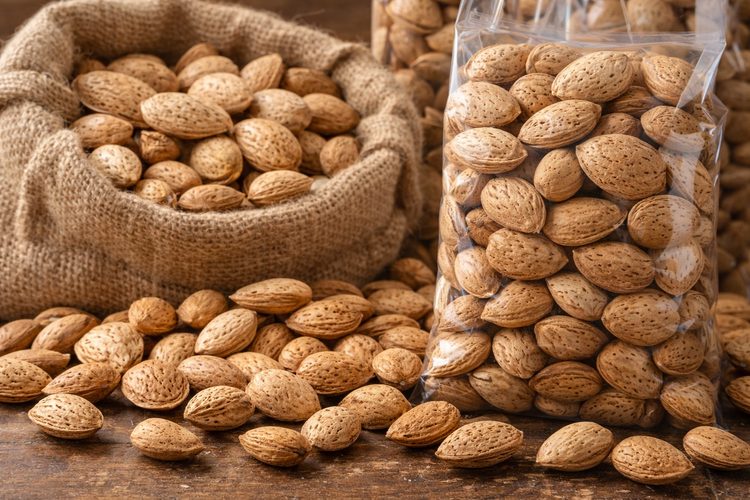
Almonds

In-Shell Almonds (Natural)

Natural California in-shell almond programs for wholesale, retail packing, seasonal channels, gifting, traditional trade and selected export markets.

Illustrated placeholder for In-Shell Almonds (Natural)
Product overview

Natural in-shell almonds from a California commercial workflow

Natural in-shell almond programs are usually built around market presentation, shell appearance, size or count profile, lot consistency, packaging method and destination requirements. Unlike kernel-only ingredient formats, in-shell almonds are frequently purchased because the shell itself is part of the consumer proposition. That can be important in traditional retail channels, festive sales periods, gifting concepts and markets where in-shell snacking remains commercially relevant.

Technical discussions for in-shell almonds generally focus on visible quality, shell integrity, surface cleanliness, acceptable natural variation, count or size expectations, moisture condition and how the lot is likely to behave through handling and transport. Commercially, these programs often depend on seasonality, channel timing, packaging efficiency, retail presentation, shipment protection and the practical realities of domestic or export logistics.

Atlas Global Trading Co. supports buyers that need California-origin supply direction for natural in-shell almonds and want a more structured conversation around specifications, pack style, timing, documentation and market fit before moving into quote execution.

Technical

Technical buying focus

In-shell programs are normally specified around shell appearance, shell soundness, count or size profile, natural visual variation, moisture condition, defect tolerance and the destination market’s expectations. Buyers may also pay attention to how the product presents after packing, how it holds up through palletization and whether the lot profile matches the intended retail or wholesale channel.

Because the shell remains part of the commercial format, technical suitability is often judged visually as much as functionally. That makes pack presentation, lot consistency and transit protection especially important compared with many kernel-based ingredient programs.

Commercial

Commercial planning focus

Commercial discussions typically focus on seasonality, lot consistency, market preference, pack structure, retail presentation, transit protection and order timing. In-shell almond programs are frequently tied to specific channel windows, especially when they are intended for seasonal promotions, gifting or traditional trade demand cycles.

Buyers often need a commercial setup that considers not only price, but also pack economics, container loading, destination handling, sales window timing and the quality level appropriate for the target market.

Why buyers choose in-shell format

In-shell almonds serve different commercial goals than kernel-only products

In-shell almonds are not simply whole almonds with an extra layer. They are usually selected because the shell changes the retail story, consumer experience and pack presentation. In many channels, the shell gives the product a more traditional, premium, rustic or giftable identity.

Retail logic

Presentation-driven buying

Retailers and distributors may select natural in-shell almonds when they want a product with stronger shelf presence, visible authenticity or a snack format associated with tradition and sharing occasions. This is often relevant in seasonal promotions, gift assortments, specialty stores and certain export markets where consumers are familiar with cracking nuts at point of consumption.

Operational logic

Trade and distribution fit

Wholesalers, repackers and importers may prefer in-shell almonds when their downstream network has established demand for this format. In these cases, the buying focus is less about industrial ingredient functionality and more about pack durability, count profile, market expectations, display value and the economics of shipping a visually recognizable natural product.

Specification guidance

What buyers usually define for a workable inquiry

A better brief produces a better quote. In-shell almond projects become easier to assess when the buyer shares the commercial route to market and the expected presentation standard.

Technical points
  • natural in-shell format confirmation
  • preferred size or count profile
  • shell appearance expectations
  • acceptable natural variation level
  • defect tolerance and lot consistency needs
  • retail-ready vs. repacking use case
  • storage and shelf-life expectations
  • destination-specific quality requirements
Commercial points
  • bulk, foodservice or retail pack format
  • domestic vs. export shipment plan
  • container program or partial shipment need
  • seasonal timing or promotional sales window
  • estimated order size and reorder rhythm
  • private label or branded distribution direction
  • market labeling and documentation requirements
  • target incoterm or delivery structure
Packaging

Pack style should match the sales channel

Packaging for natural in-shell almonds should reflect the actual commercial route. Bulk sacks or cartons may suit repackers and wholesale redistribution. Smaller retail-ready packs may suit store shelves, gifting channels or seasonal sales programs. In either case, the packaging discussion should consider stackability, pack protection, visual presentation, weight control and how the goods will move through warehousing and last-mile distribution.

For in-shell formats, packaging also affects the buyer’s perception of cleanliness, integrity and shelf readiness. A technically good lot can still underperform commercially if the pack format is not appropriate for the channel.

Logistics

Transit planning matters more than many buyers expect

Because in-shell almonds are often sold on appearance as well as edible content, logistics planning must protect presentation. Buyers typically review transit protection, pallet layout, handling conditions, moisture exposure risk, shipment timing and receiving conditions. These issues matter in domestic programs and become even more important in export channels with longer transit windows and multiple handling points.

Atlas can review the commercial brief in light of destination, timeline and pack structure so the logistics discussion starts early rather than after the order is already shaped.

Commercial channels

Where natural in-shell almonds are commonly positioned

Traditional channels

Retail, gifting and seasonal demand

Natural in-shell almonds often fit channels where consumer familiarity, presentation value and traditional snacking behavior are important. This includes retail bags, seasonal offers, festive assortments, gifting programs and selected regional trade environments where in-shell formats have established demand.

Wholesale channels

Repacking and redistribution programs

Wholesale buyers may source in-shell almonds for redistribution into local markets, repacking into branded bags or supply into mixed seasonal portfolios. In these cases, the commercial discussion often focuses on lot consistency, presentation level, bulk pack efficiency and how the product fits downstream pack conversion economics.

Quality review

Important quality and buying checkpoints

Buyers looking at natural in-shell almonds usually review visual and logistical suitability together. The product must fit the market, but it must also arrive in a condition that supports the intended selling channel.

Typical quality topics
  • shell integrity and overall appearance
  • visible natural cleanliness
  • count, caliber or size profile
  • lot-to-lot consistency
  • reasonable defect tolerance alignment
  • pack condition on arrival
  • pallet presentation and shipment handling
  • storage guidance and shelf-life planning
Documents buyers may ask for
  • product specification sheet
  • commercial invoice and packing list
  • country-of-origin information
  • allergen-related documentation where needed
  • shipment and lot references
  • pack and pallet details
  • destination-market support documents as applicable
  • commercial labeling information for retail projects
Program structure

From spot buying to seasonal planning

Some in-shell almond projects are simple spot purchases. Others are tied to a seasonal sales calendar, holiday demand, importer program or annual retail cycle. The more the buyer can define timing, channel and expected repeat pattern, the easier it becomes to structure the right commercial approach.

Atlas can discuss trial quantities, wholesale lots, containerized export programs and repeat supply direction where the project has a clear channel and operational logic.

Cost drivers

What usually influences the commercial offer

  • size or count profile expectations
  • quality presentation level required
  • bulk vs. retail-ready pack direction
  • seasonality and shipment timing
  • order size and continuity of demand
  • domestic vs. export complexity
  • documentation and labeling scope
  • handling and transit protection requirements
Who this page is for

Suitable for wholesalers, importers, repackers and retail program buyers

This page is designed for commercial buyers evaluating natural in-shell almonds for wholesale distribution, repacking, retail shelves, gifting concepts or export-oriented business. It is especially useful for buyers that need to move beyond a basic product request and define how the lot should look, how it should be packed and where it will be sold.

The most useful next step is to send a brief covering market, pack format, volume estimate, shipment timing and appearance expectations. That allows Atlas to assess whether a California-origin in-shell program is commercially aligned with the project.

What buyers usually define

Useful information to include in an inquiry

  • target market and sales channel
  • bulk, repack or retail-ready format
  • preferred size or count direction
  • shell appearance expectations
  • estimated order volume
  • target shipment window
  • destination country or delivery region
  • required commercial documents
Let’s build your program

Discuss an in-shell almond requirement

Use the contact form to share the target market, pack style, volume, shipment timing and destination. Atlas can review the brief and organize the next commercial step around California supply support.

Go to Contact Page
FAQ

Frequently Asked Questions

What is the main commercial use of in-shell almonds (natural)?

Natural in-shell almonds are commonly used in retail packs, seasonal sales, traditional trade, gifting programs, wholesale redistribution and selected export markets where the shell presentation is part of the product’s commercial appeal.

Can Atlas supply in-shell almonds (natural) for export or private label projects?

Atlas can discuss domestic and export-oriented in-shell almond programs and align packaging, labeling direction and shipment planning where the commercial brief supports the project and destination-market requirements are clear.

What should buyers specify when asking for natural in-shell almonds?

Buyers should share destination market, pack format, size or count preference, shell appearance expectations, estimated volume, shipment timing, sales channel and any documentation or import requirements so the inquiry can be assessed properly.

Why would a buyer choose in-shell almonds instead of kernel formats?

In-shell almonds are usually chosen when the shell contributes to the product story, retail identity or traditional consumer experience. This can be important in gifting, seasonal promotions, specialty retail and markets where in-shell snacking is well established.

What technical details matter most for in-shell almond buying?

Important points often include shell integrity, overall appearance, visible cleanliness, lot consistency, count or size profile, reasonable defect tolerance, pack protection and how the product is expected to perform during storage and transit.

Can natural in-shell almonds work for wholesale and repacking businesses?

Yes. In-shell almonds are commonly discussed for wholesale and repacking operations where buyers need a natural format that can be redistributed, packed into local retail formats or sold through traditional trade channels.

How should buyers think about packaging for in-shell almonds?

Packaging should be matched to the sales channel and shipment route. Bulk-oriented packs may suit repackers and wholesalers, while retail-ready formats may suit store shelves or gifting. The right structure depends on handling conditions, presentation needs, transit duration and the final selling environment.

How can buyers get a more practical quote faster?

The best approach is to send a commercial brief with the target market, required pack style, approximate volume, timeline, destination and any quality or documentation requirements. A more specific brief leads to a more useful commercial response.