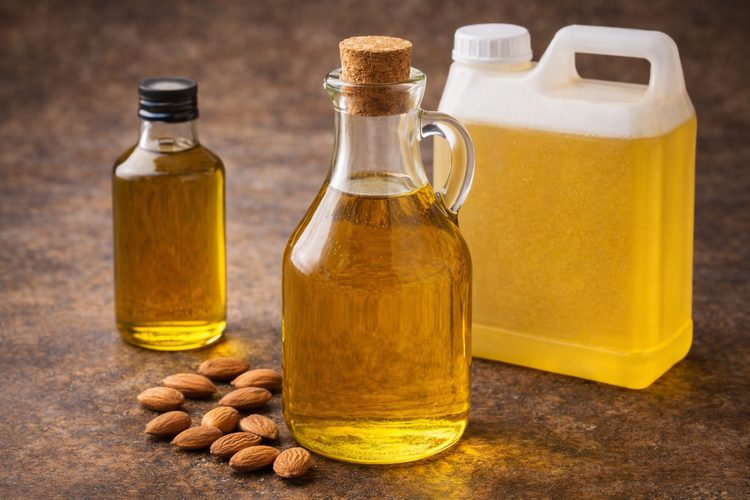
Strong commercial relevance for premium ingredient and export narratives.
Product overview
Cold press almond oil from a California commercial workflow
Cold press almond oil is positioned as a premium edible oil made from almonds through mechanical extraction routes designed to retain a natural almond-origin identity. Commercial buyers usually evaluate not only the basic oil format, but also the full operating brief behind it: raw material program, press route, filtration, expected sensory profile, oxidation management, packaging barrier, destination compliance and planned market channel.
In practice, demand tends to come from importers, gourmet food brands, foodservice distributors, ingredient blenders, specialty retailers, private label operators and manufacturers looking for a differentiated oil story beyond standard commodity vegetable oils. The value proposition is typically built around California almond sourcing, premium positioning, culinary use and the ability to align the product with a documented commercial program rather than a one-off spot purchase.
Atlas Global Trading Co. supports buyers who need a structured discussion around edible cold press almond oil, including product fit, packaging direction, export readiness, documentation expectations and the commercial realities that affect landed cost, lead time, fill format and continuity planning.
This page is written for edible use. Final product suitability, nutrition claims, allergen statements, shelf life, labeling compliance and application validation should always be confirmed against the buyer’s own regulatory, QA and formulation requirements.
Usually discussed where natural profile and premium positioning matter.
From drums and IBCs to selected branded or private label bottle concepts.
Clarity, oxidation control, packaging, documents and landed cost drive decisions.
Technical profile
What technical buyers typically want to know
Cold press almond oil is not bought on name alone. Serious buyers usually want a technical conversation that covers sensory profile, oil stability, filtration route, packaging barrier and how the product will behave in the buyer’s own application and market.
| Technical point | What buyers normally review | Why it matters commercially |
|---|---|---|
| Appearance | Clear to lightly golden oil depending on press route and filtration level. | Visual quality affects premium retail acceptance and consistency in repeated shipments. |
| Aroma and flavor | Clean, mild to lightly nutty sensory profile; final note depends on raw material and process conditions. | Important for finishing oils, dressings, sauces and other applications with direct flavor exposure. |
| Filtration | Filtered or selected natural-cloud profile depending on brief and brand concept. | Drives appearance, sediment risk, shelf presentation and use in bottling or blending lines. |
| Oxidation management | Review of peroxide development, light exposure, headspace control, storage and pack barrier. | Critical for shelf-life performance, export transit and complaint prevention. |
| Free fatty acid / acidity | Discussed as part of oil freshness and process control expectations. | Used by technical teams when comparing lots, programs and supplier discipline. |
| Moisture and insoluble matter | Assessed where buyers need cleaner downstream handling and more stable storage. | Relevant for blending, filling, filtration stability and customer acceptance. |
| Allergen status | Tree nut origin must be clearly understood and declared in the buyer’s system. | Mandatory for compliance, artwork, SOPs and market release. |
| Packaging compatibility | Container material, oxygen barrier, closure system, tamper evidence and fill size. | Directly affects product stability, presentation, pallet efficiency and freight economics. |
| Application suitability | Usually positioned for dressings, finishing, sauces, premium culinary use and blends. | Prevents mismatch with industrial high-heat or commodity frying expectations. |
| Shelf-life validation | Target shelf life depends on specification, fill conditions, antioxidant strategy, packaging and storage. | Essential for import planning, retailer commitments and destination inventory risk. |
Indicative composition discussion
Buyers sometimes ask about the broad fatty acid profile because it helps position almond oil versus other premium edible oils. As a general commercial reference, almond oil is often discussed as being rich in monounsaturated fat, with typical profiles centered around oleic acid and smaller proportions of linoleic, palmitic and stearic fractions. Exact values are lot and method dependent, so final specification should always be confirmed against the actual product documents.
- Often discussed as a high-monounsaturated premium nut oil.
- Commonly selected for mild flavor and culinary elegance rather than aggressive roast intensity.
- Usually marketed more as a finishing or specialty oil than as a commodity frying oil.
Important qualification
Technical values shown or discussed on a supplier page should be treated as illustrative only until confirmed in the actual quotation pack, specification sheet, COA framework and application review. Final acceptance should depend on the approved commercial specification for the buyer’s program.
How cold press positioning is usually understood
“Cold press” is generally used by buyers to signal a mechanical extraction approach with controlled heat exposure, helping preserve a more natural oil identity compared with more heavily refined commodity systems. That positioning matters most in premium food channels, culinary storytelling and label-conscious retail concepts.
Mild, elegant, application-friendly profile
Most commercial users do not want an overpowering oil. They want a clean, stable, lightly nutty profile that supports dressing systems, premium marinades, finishing applications or blended gourmet oils without dominating the final formula.
Light, oxygen and temperature matter
For premium oils, storage discipline matters almost as much as the starting specification. Buyers typically review cool storage, avoidance of direct light, controlled filling conditions and suitable closure or liner systems to support shelf life.
Applications
Where edible cold press almond oil fits best
Commercially, the strongest fit is usually in applications where mild flavor, premium positioning and ingredient storytelling create value that justifies the higher cost structure versus standard commodity oils.
Premium bottle programs
- Single-oil gourmet offerings
- Chef-led finishing oil concepts
- Gift packs and culinary sets
- Premium natural grocery positioning
Ingredient system use
- Dressings and vinaigrette bases
- Premium sauces and emulsified condiments
- Marinades and glaze systems
- Selective gourmet snack or bakery applications
Chef and menu development
- Finishing drizzles and plated use
- Premium salad programs
- Restaurant concept differentiation
- High-end hospitality culinary use
Cold press almond oil is generally discussed for flavor-facing, premium and specialty uses. Buyers considering high-heat industrial use should validate performance, economics and stability against the exact process conditions.
Packaging and fill options
From bulk ingredient supply to selected retail-ready programs
Packaging decisions affect not only freight and warehouse efficiency, but also oxygen exposure, presentation, ease of use in the customer’s plant and the final landed cost per kilogram or per finished consumer unit.
Formats commonly discussed for ingredient buyers
- Jerrycans for smaller operational programs
- Pails for controlled handling environments
- Steel or lined drums for commercial export and industrial use
- IBC totes for larger-volume filling, blending or distribution programs
- Containerized bulk planning depending on route and feasibility
Formats commonly discussed for branded projects
- Glass bottles for premium shelf presentation
- Dark packaging to support light protection where needed
- Custom closure, shrink seal and tamper-evident solutions
- Carton and case-pack planning for pallet efficiency
- Artwork, label language and market-specific compliance review
- What fill size best suits the target market?
- Does the pack offer enough oxygen and light protection?
- What case configuration optimizes freight cost?
- How will the oil perform after partial use in production?
- Store cool and away from direct light.
- Minimize repeated warm-cool cycles.
- Review headspace and closure quality.
- Validate shelf life under real destination conditions.
- Retail glass can elevate presentation but add freight cost.
- Bulk packs often improve landed economics.
- Private label needs longer setup time than generic bulk.
- Low-volume custom packs can materially increase unit cost.
Quality and supply planning
Commercially relevant quality points behind the product
The buyer experience with premium edible oils is shaped by more than just the oil itself. A workable program depends on raw material consistency, process control, filtration discipline, packaging integrity, document readiness and realistic lead-time planning. For export programs, the commercial challenge is often not whether the product can be made, but whether it can be delivered with the right specification and documentation every time.
Items usually reviewed during qualification
- Product specification sheet and revision control
- Certificate of analysis framework
- Allergen declaration and labeling implications
- Country-of-origin and processing narrative
- Filtration level and sediment expectations
- Storage recommendations and shelf-life position
- Packaging material compatibility
- Palletization and export packing approach
- Lot coding and traceability format
- Commercial sample or pilot validation
- Transit conditions for destination market
- Repeat-order continuity and forecasting approach
Commercial notes
How buyers typically evaluate the business case
Cold press almond oil usually competes as a premium specialty ingredient, not as a lowest-cost oil. Commercial success depends on aligning the product with an application and channel where premium positioning is commercially justified.
Spot purchase vs. repeat supply
Some buyers test the category with a small qualification volume, but stronger pricing discipline and better planning usually come from forecast-backed repeat programs. Stable volume visibility helps align production slots, pack sourcing and export planning.
What normally influences the quotation
- Raw almond market position and yield economics
- Filtered vs. more specialized process requirements
- Bulk vs. retail-ready packaging complexity
- Private label development and compliance work
- MOQ, order rhythm and logistics destination
Why planning matters
Lead times vary based on packaging, documentation, seasonality, route, label development and export readiness. Buyers with launch deadlines, tenders or promotional windows should share timing early so the commercial pathway can be built realistically.
- Importers serving gourmet or specialty food channels
- Food brands developing premium oil lines
- Manufacturers needing a differentiated nut-oil ingredient story
- Private label buyers with realistic volume and timeline expectations
- Distributors covering natural, health-focused or premium retail accounts
- Undefined target packaging or artwork pathway
- Unclear shelf-life expectations for destination conditions
- Application mismatch versus cost position
- Underestimated regulatory or labeling requirements
- Too little volume to support a custom retail brief efficiently
Documents buyers often request
- Product specification sheet
- Certificate of analysis format
- Allergen statement
- Country-of-origin statement
- Commercial invoice and packing list support
- Lot coding / traceability information
- Selected export documents subject to destination requirements
- Label text or pack data needed for private label review
Actual document availability depends on product format, destination, regulatory pathway and confirmed commercial scope.
How to get a faster and more accurate quote
- Target application and whether the oil is customer-facing in flavor
- Filtered, polished or natural-style appearance preference
- Pack format and fill size
- Estimated initial volume and repeat volume pattern
- Destination country and required incoterm direction
- Need-by date or launch window
- Any private label or labeling requirement
- Any specific QA, regulatory or sampling expectations
Buyer brief support
Discuss a cold press almond oil requirement with technical and commercial context
Share your application, target pack, destination market, estimated volume and timing. Atlas can review the brief and help frame the next step for a California-linked almond oil supply discussion.
This page is designed to support buyer inquiry quality. It gives buyers enough technical and commercial framing to determine whether cold press almond oil is relevant to their project before moving into specification, sample or quotation discussions.
FAQ
Frequently Asked Questions
What is the main use of cold press almond oil (edible)?
Cold press almond oil is mainly used in premium dressings, marinades, finishing oils, sauces, gourmet retail programs, specialty food manufacturing and other edible applications where a natural almond-origin positioning is commercially valuable.
Can Atlas supply cold press almond oil for export or private label projects?
Atlas can review export-oriented, foodservice, industrial ingredient and selected private label briefs for edible cold press almond oil, subject to product format, destination market, packaging, documentation and commercial feasibility.
What should buyers specify when asking for cold press almond oil (edible)?
Buyers should specify intended application, filtered or unfiltered preference, packaging format, fill size, estimated volume, destination market, labeling needs, quality documentation expectations and target shipping window.
What technical points are usually discussed for edible almond oil?
Typical technical discussion points include sensory profile, clarity, filtration level, peroxide value, free fatty acid range, moisture and insoluble matter, oxidation management, packaging barrier and shelf-life validation.
Is cold press almond oil suitable for high-heat frying?
Most premium buyers position cold press almond oil for finishing, blending, dressings, sauces and specialty culinary use rather than as a primary commodity frying oil. Final application suitability should be validated by the buyer’s own technical team.
Can this product be packed in retail bottles?
Retail bottling can be discussed where the commercial brief supports it. Buyers should define bottle size, packaging material, label pathway, closure style, carton format, destination compliance and expected annual volume.
What affects the commercial quotation for cold press almond oil?
The quotation is usually influenced by raw almond economics, process route, filtration requirement, packaging choice, private label complexity, order volume, shipping destination and the documentation or compliance burden attached to the project.
What shelf-life approach should buyers expect?
Shelf-life position depends on the approved specification, antioxidant strategy if any, filtration level, packaging barrier, fill conditions, storage guidance and destination climate. Buyers should validate shelf life in the actual commercial pack.